Who Goes on Therapist Retreats? The Six Types of Therapists
Therapist retreats attract six kinds of people: the one escaping, the one testing whether they are allowed to do this, the one chasing a destination, the one who is focused on investment, the one picking the room, and the one who has simply decided. Knowing which one you are is the difference between a week that changes something and a week that simply photographs well.
Somewhere around day three on a retreat I attended this year, a room full of licensed therapists started passing bags of ice around the room.
This was on a private island in Central America. It was a beautiful place, with air conditioning in every guest room, and none at all in the dining room where we sat for our CE hours during the heat of the day. So we passed bags of ice, and the most pressing question of the afternoon was whether we'd be done with the presentation before it melted.
At my first retreat, months earlier, there was no ice to pass. I spent one session working an old shutter door open by hand, trying to get some air moving through the room.
Both trips worked anyway. Not because of the curriculum, which both times was material I had already worked through and sat with to check a box, but because for the first time in years nobody needed anything from me. Not a client, not my kid, not my spouse.
Both worked in spite of the room rather than because of it, though, and that turned out to be the useful distinction. That gap between what a retreat sells and what actually does the work is the whole reason this post exists.
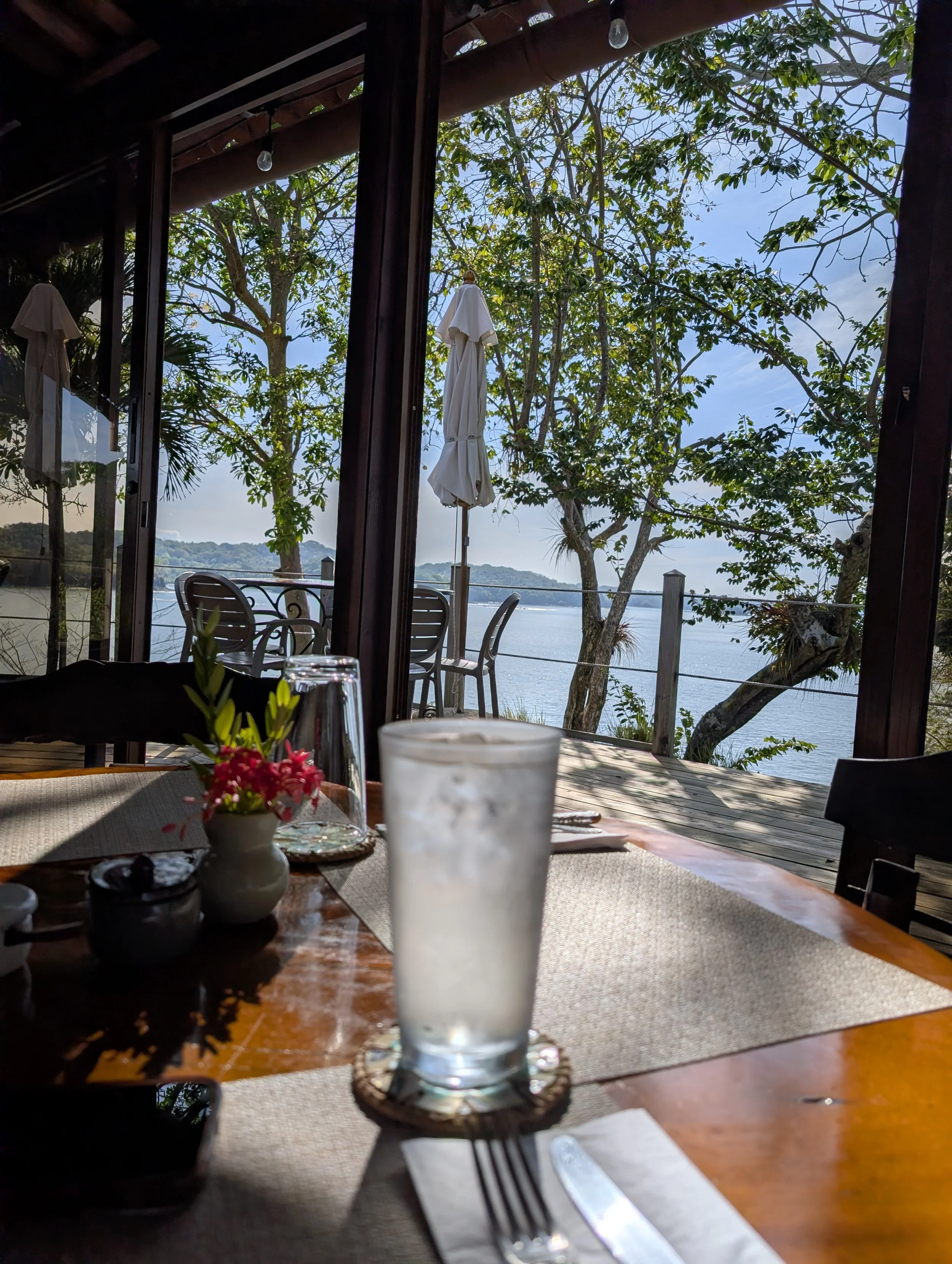
So thankful for cold ice water during the hot days at this therapist retreat
Why are therapist retreats suddenly everywhere?
Because burnout is expensive, license renewal is mandatory, and somebody figured out those two facts could share a plane ticket and a tax deduction. If we’re being blunt.
The therapist CE retreat category has real range now. PESI runs destination CEs across trauma, IFS, EMDR, and DBT, including cruises. We Heart Therapy markets theirs loudly as a tax-deductible vacation. Independent hosts run week-long trips all over the world with credit counts anywhere from ten to twenty-plus.
So the supply is there. What nobody publishes is anything from the buyer's side of the transaction, which is strange, because choosing badly here costs four to eight thousand dollars and a week you cannot get back.
After getting a few retreats under my belt, and forming some very specific opinions, here is what I have noticed about who actually shows up.
The six types of people who book therapist retreats
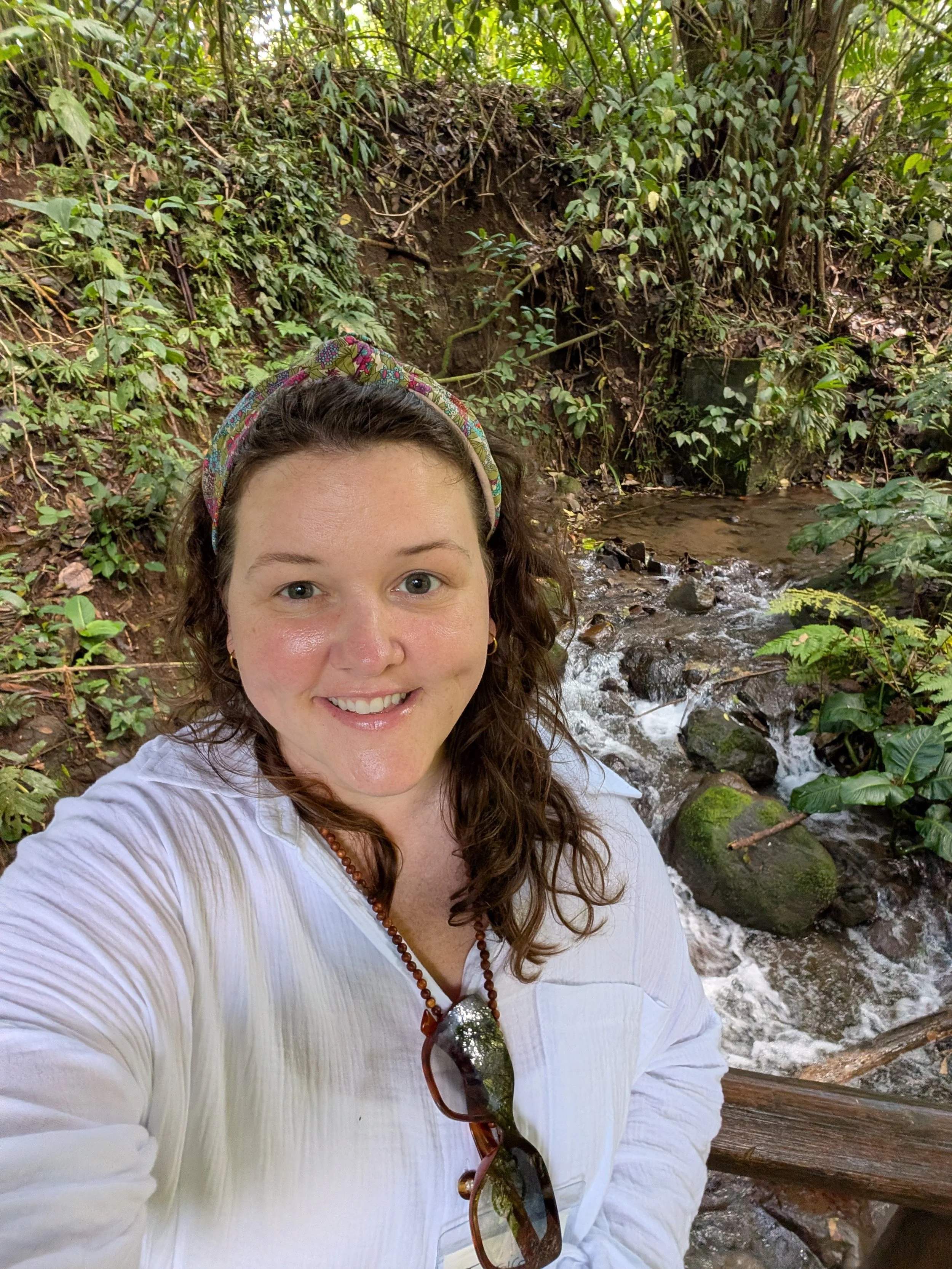
Me sweating in the Costa Rican rainforest on a therapist retreat because I really needed the escape.
The Escapee
They need out. Out of the caseload, out of the house, out of being the person everyone calls first.
A friend I made at a retreat this year had booked it two weeks before it started and made the whole thing happen on sheer will. She shared a room with two other women. She got eaten alive by bugs. She's not even an outdoorsy person. And yet, we recorded a video of her dancing in the rain, grinning like someone who had not been off duty in a very long time.
It worked. You could see the glow in her face by day two.
The risk for this type of therapist is that speed becomes the only criterion. They book what is available rather than what serves them, and end up somewhere that technically removed them from their life without giving them something to bring home. Or they land in a program so packed that it recreates the exact stress they were trying to leave.
The One Testing Whether They're Allowed
They want to go. They are also genuinely unsure whether they are the kind of person who gets to do this. They are likely asking themselves “Can I really afford this?” or “Do I actually have a practice that pays for this kind of thing?”
That was me, booking my first one. I was bored, in need of travel, and running the math on whether a person like me could simply decide to spend money like that (hello money scripts work). So I picked the safest option in front of me: a host I had a connection to, a country plenty of people go to, and a price I could talk myself into.
The trap with this is prioritizing safety instead of fit. The retreat that feels least risky is rarely the one built for what you actually need, and that becomes obvious pretty quickly once you’re there. It's worth asking a host directly who the week is built for, and believing the answer.
If this is you, the useful thing to know is that the shift you’re looking for does not happen on the beach. It happens at checkout. Mine did. I booked two more retreats within months of the first one, before I had even gone on it, because I had finally given myself the permission to spend and enjoy the money I had worked so hard for. Just the action of purchasing unlocked something.
The World Traveler
They pick based on the country. The retreat is the permission structure, and the destination is the reason.
Zero judgment, because this has absolutely been me. Picking retreats based on where I want to travel to more so than the topics being covered. This feeds the adventure side, but can leave us feeling a bit caged in if we're not careful. If we choose the wrong container we can end up trapped in a room with CE hours that feel tedious, a too packed schedule, a lack of actual exploration in the destination, and perhaps a hot room filled with bugs.
The ROI Buyer
They need the return to be concrete before they will spend the money, because spending it on themselves alone is not something they do. But if it’s one something they can defend with hard, tangible figures…
So they count CE hours. They want something usable with a client on Monday. They examine every sales page in this category with a microscope, and they are asking a fair question that most of those pages dodge.
Here is the part worth saying out loud: the ROI is real. Both of my retreats paid for themselves several times over. The Money Shift exists because of conversations at a pool on my second trip. A ten thousand dollar business program I would have flinched at a year earlier became an easy yes after I had already let myself spend money on two retreats. That is a return, and none of it appeared on any agenda.
But it did not come from the curriculum, and it could not have been promised in advance. It’s a type of personal transformation that happens on retreats, but you don’t quite know how to describe it and for everyone it’s just a little bit different. Kind of like that “you get what you need” sort of feeling.
Which is the honest problem for this type of therapist. Ten CE hours will not convince them, and neither will this paragraph, because the thing that convinces them only exists on the other side of the purchase. They have to be in the room and feel it happen. Nobody can hand them that from a blog post.
So they get caught in waiting for proof that cannot exist yet, and let another year pass them by sitting at home instead of making it happen.
The Networker
They pick the room based on the people. They have worked out that proximity to people already doing the thing is the actual mechanism for change, and everything else is packaging.
And they're right. Your brain has spent years collecting evidence about what is realistic for someone like you, and nearly all of it came from watching people in roughly your same position. But, sit next to someone doing what you have been afraid to do and watch what happens. I have seen more opportunities present themselves to therapists in the course of a few days than I have in years when you're in the room with the right people.
The way this goes wrong is if you’re in a room filled with people who are nowhere near where you’re at and not even thinking about getting there. At one retreat, a good portion of the attendees had the trip covered by their employer. Lovely people, there for a nervous system reset and a country they had not seen, and not one of them was building a business. There is nothing wrong with that room. It just shrinks a Networker instead of expanding them. The question that sorts this in advance is knowing what the people in the room are actually like.
The One Who Decided
This therapist entrepreneur is not testing anymore. They book because this is the level they operate at, and going is a form of celebration rather than a form of permission.
The second trip was the first time I felt like that. Standing on the beach at sunset, alone because everyone else had gone in to change for dinner, spinning around and laughing to myself, absolutely certain that this was the life I was supposed to be living.
The blind spot is assuming that arriving means any nice room will do. It will not. You are paying for comfort as much as content, so ask what the rooms and the dining are actually like and listen for whether the answer has any detail in it. A beautiful country cannot rescue a week of mediocre meals and a bed you dread.
How to choose a therapist retreat based on which type you are
If you just read all of those descriptions and feel called out, great. That means you already know which questions matter and which ones you can stop worrying about.
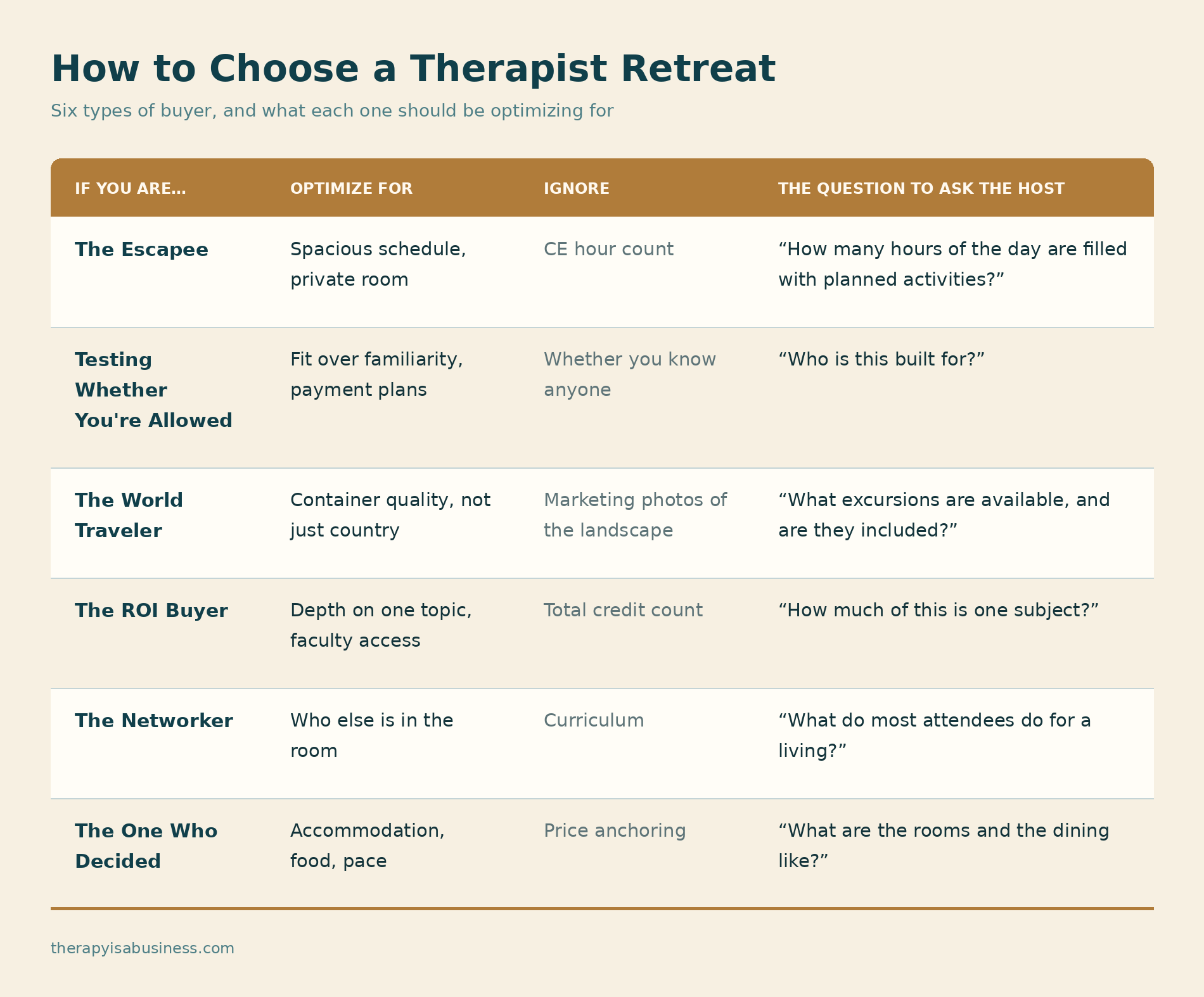
Here is the short version. Find your row, ask your question, and let the rest go.
The Escapee — prioritize for a spacious schedule and a private room, ignore the CE hour count, and ask: How many hours of the day are filled with planned activities? That will show you just how much of your day you get to decide.
Testing Whether You're Allowed — prioritize fit over familiarity and a payment plan you can carry, ignore whether you know anyone, and ask: Who is this built for? That will help you see yourself in other attendees.
The World Traveler — prioritize the quality of the container, not just the destination, ignore the marketing photos of the landscape, and ask: What excursions are available, and are they included? That will tell you if you’re getting your adventure kick, or if you’ll be visiting the inside of a classroom.
The ROI Buyer — prioritize for depth on one topic and access to faculty, ignore the total credit count, and ask: How much of this is one subject? That will show you how deep they’re going on the topic.
The Networker — prioritize for who else is in the room, ignore the curriculum, and ask: What do most attendees do for a living? That tells you whether they are at the level you are building toward.
The One Who Decided — prioritize for accommodation, food, and pace, ignore price anchoring, and ask: What are the rooms and the dining like? This lets you know if the retreat is actually the little treat you’re trying to give yourself or something else entirely.
Questions everyone should ask about a therapist retreat
Regardless of what profile you fall into the following are a must ask for anyone contemplating a therapist CE retreat.
The air conditioning question is not a joke. It has been a problem at both retreats I have attended this year, and in both cases the room that lacked it was the room where we sat for CE hours. Ask it. Thank yourself later.
Ask about the credit count too, and then ignore the total. The category runs from about ten hours to twenty-plus, and more is not better. Twelve hours packed into four days, which I have sat through, is a conference with a nicer view. What you want to know is how many hours a day you are actually sitting, and how much of it covers one subject rather than a survey of six. If you want depth go for one main topic. If you want breathing room in your schedule look for one that is 2.5 hours or less in CEs per day.
And if you are thinking of bringing someone, ask before you book flights. Most retreats allow a guest for an added fee, with meals and activities included and no CE credit, but the policies vary more than you would expect.
What actually made the difference, both times
Neither curriculum did much for me. That is not a complaint about either host, it is a fact about where I was: both covered material I had already worked through, and I sat in both rooms mostly to check a box.
And both trips still paid for themselves several times over.
What did create the shift was the slower rhythm. When I stop grinding, I create better, and it is not conscious. My brain goes offline in a way that will not let me work on my business at all, and then produces something anyway. It’s absorbing, shifting, and then delivering.
The Money Shift, the retreat I now run in Belize, came out of that second trip. Not from the curriculum. From the conversations at the pool in the afternoons, the communal dinners, and the small groups that kept forming to talk about what people actually wanted. I arrived with a vague idea about a small retreat in Sedona with a group of people who are already my consultees and after a Monday back at home I came up with something entirely different.
Which is also the argument for spending the money. I have never come back from one of these without an idea or a decision that earned it back. It’s actually shocking how well that seems to work.
By the way, none of this is an argument that the container does not matter. Both weeks gave me something real, and both left me thinking about how much further the same days could have gone with a room that supported me even more. So that is what I ended up building. Everything I noticed across two retreats, shaped into the week I would have wanted to be in, for the people I kept meeting at those pools and those dinners.
The thing nobody puts on a therapist retreat page
Money shows up in these rooms whether or not it is on the agenda.
At one retreat, someone found out I run a private pay practice and their face changed. I'm talking crinkling their nose in disgust, slightly turning their body away, avoiding eye-contact and all of that. I could feel the visceral hate beaming from them and their discomfort of discussing money even in generic ways.
We never really spoke again.
That was at a wellness retreat, from one licensed therapist to another, over a fee structure. Nobody in that room would have described the trip as being about money. But, it was about money constantly, in the way money avoidance usually is: never named, but always operating in the background.
Something worth knowing before you book, because whichever room you choose, you are going to be in it for a week. Either it’s a room of people who are aware of their money beliefs or people who probably need to work them out.

Sunrise from my casita’s porch at a therapist retreat
So which one are you, and is the retreat you’ve been eyeing the one that actually fits?
If the honest answer is that no retreat you have looked at is built for the thing you actually want to think about, that is the gap The Money Shift exists in. Five nights in Belize, February 2027, on the one subject that runs underneath every room and rarely makes it onto an agenda.